Property Investment Guide
Australia
Immigration, supply constraints, and long-term resilience
Market Type
Developed, immigration-driven market
Risk Profile
Low to moderate
Australia is one of the world's most stable and institutionally trusted residential property markets, long favoured by global investors, family offices, and internationally mobile professionals. For global investors, Australia is typically used as a long-term, income-supported, capital-preservation allocation, rather than a speculative or short-cycle market.
Ideal For
- HNWIs seeking exposure to a developed, English-speaking market
- Family offices prioritising long-term capital preservation
- Investors focused on rental income backed by population growth
- Buyers planning relocation, education, or lifestyle use
- Investors seeking diversification into Asia-Pacific without frontier risk
Consider Carefully If
- • Short-term flipping strategies
- • Investors seeking rapid price acceleration
- • Those unwilling to engage with a regulated tenancy environment
Why invest in Australia?
Key factors driving global investor interest in Australia property.
Sustained immigration and population growth
Australia operates one of the world's most structured and ambitious immigration programmes. Population growth is driven by skilled migration, international students, and long-term family migration. This creates structural housing demand that consistently outpaces new supply.
Chronic housing undersupply
Across major cities, Australia faces planning constraints, slow construction pipelines, and limited inner-city land availability. These supply dynamics support long-term price resilience and rental pressure, particularly in well-located assets.
Strong rental fundamentals
Australia's rental market is underpinned by high renter participation, professional tenancy frameworks, and strong wage growth in major cities. In many markets, rental demand materially exceeds supply, supporting income stability.
Key Investment Locations
Prime areas attracting international property investors in Australia.
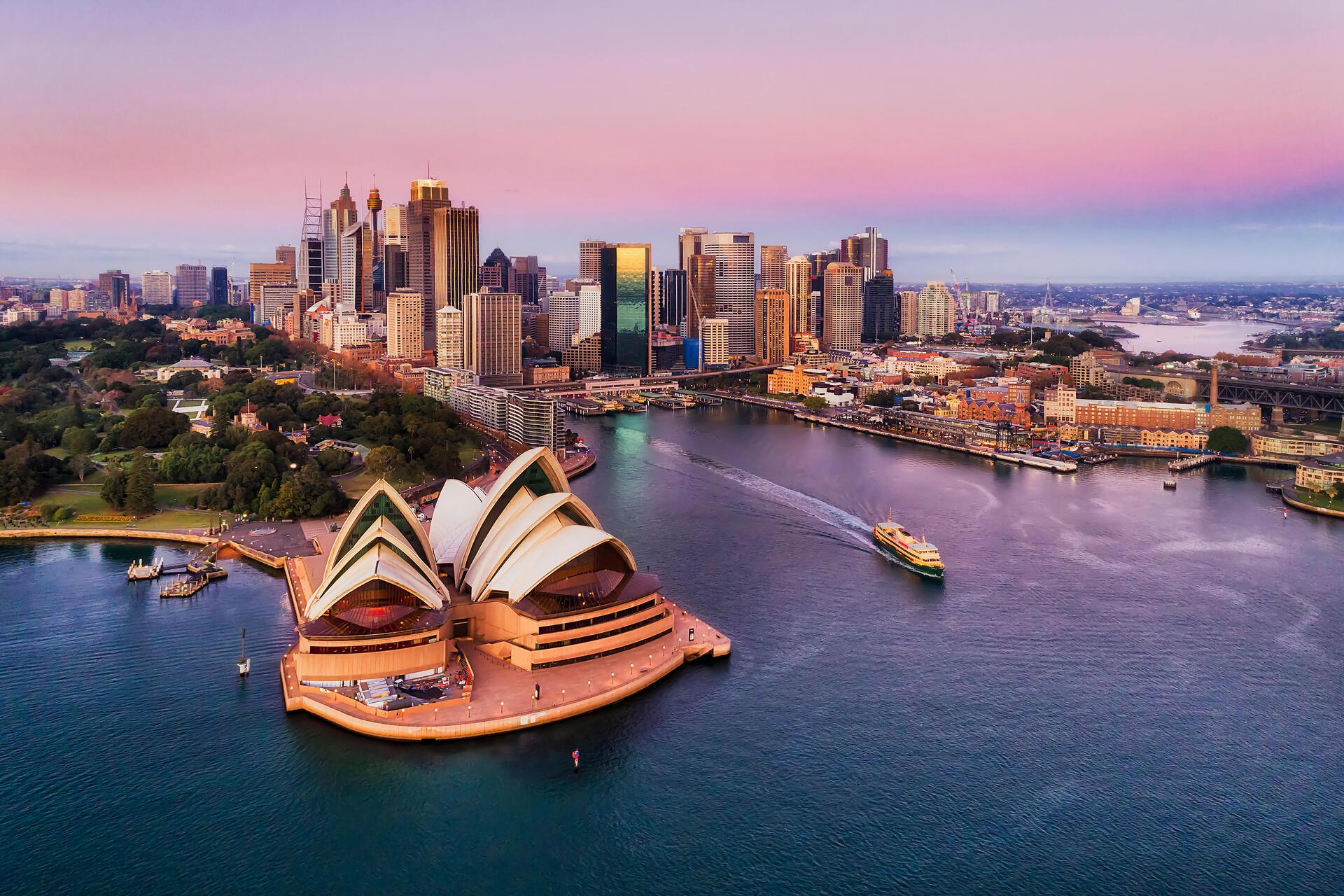
Sydney
Australia's most globally recognised property market with severe land and supply constraints, strong international demand, and high-income tenant base.
→ Capital preservation and long-term holding
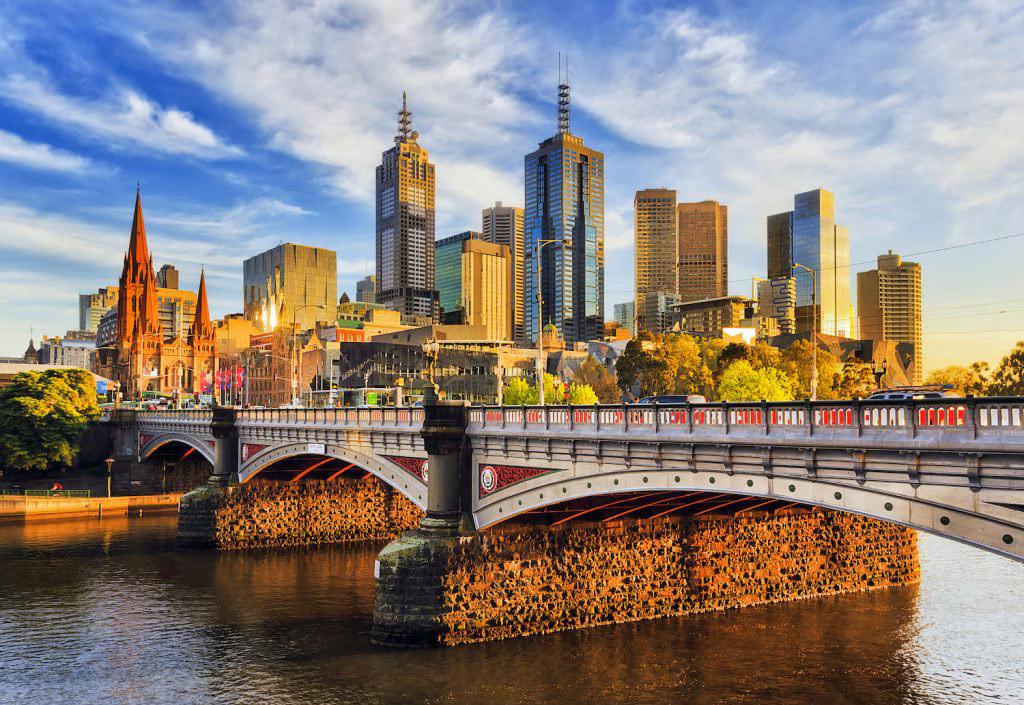
Melbourne
Combines strong population growth, cultural and lifestyle appeal, deep rental demand, and diverse price points.
→ Balance between income and long-term growth
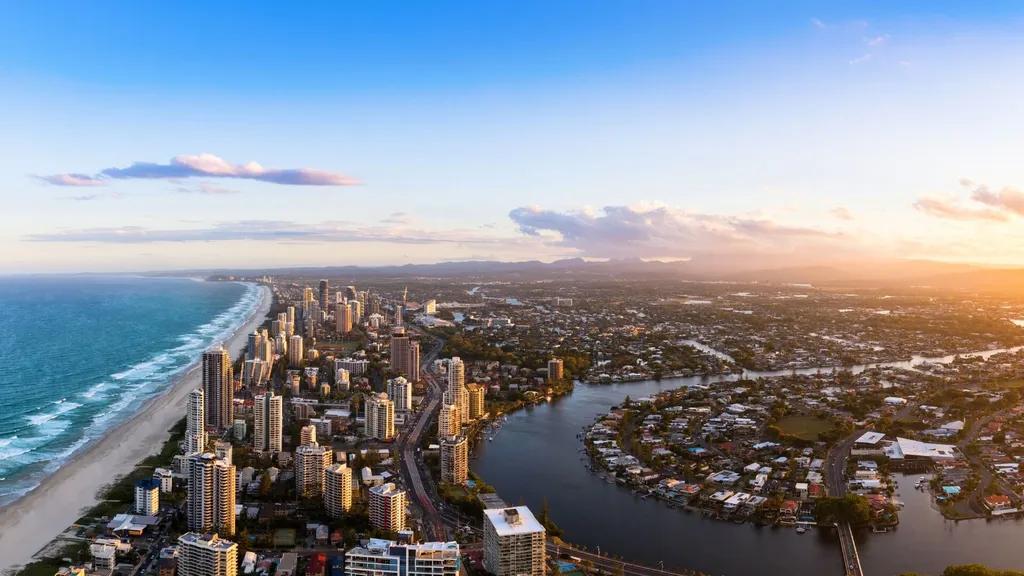
Brisbane & South-East Queensland
One of Australia's most closely watched markets with interstate migration, infrastructure investment, relative affordability, and lifestyle appeal.
→ Growth within a developed market framework
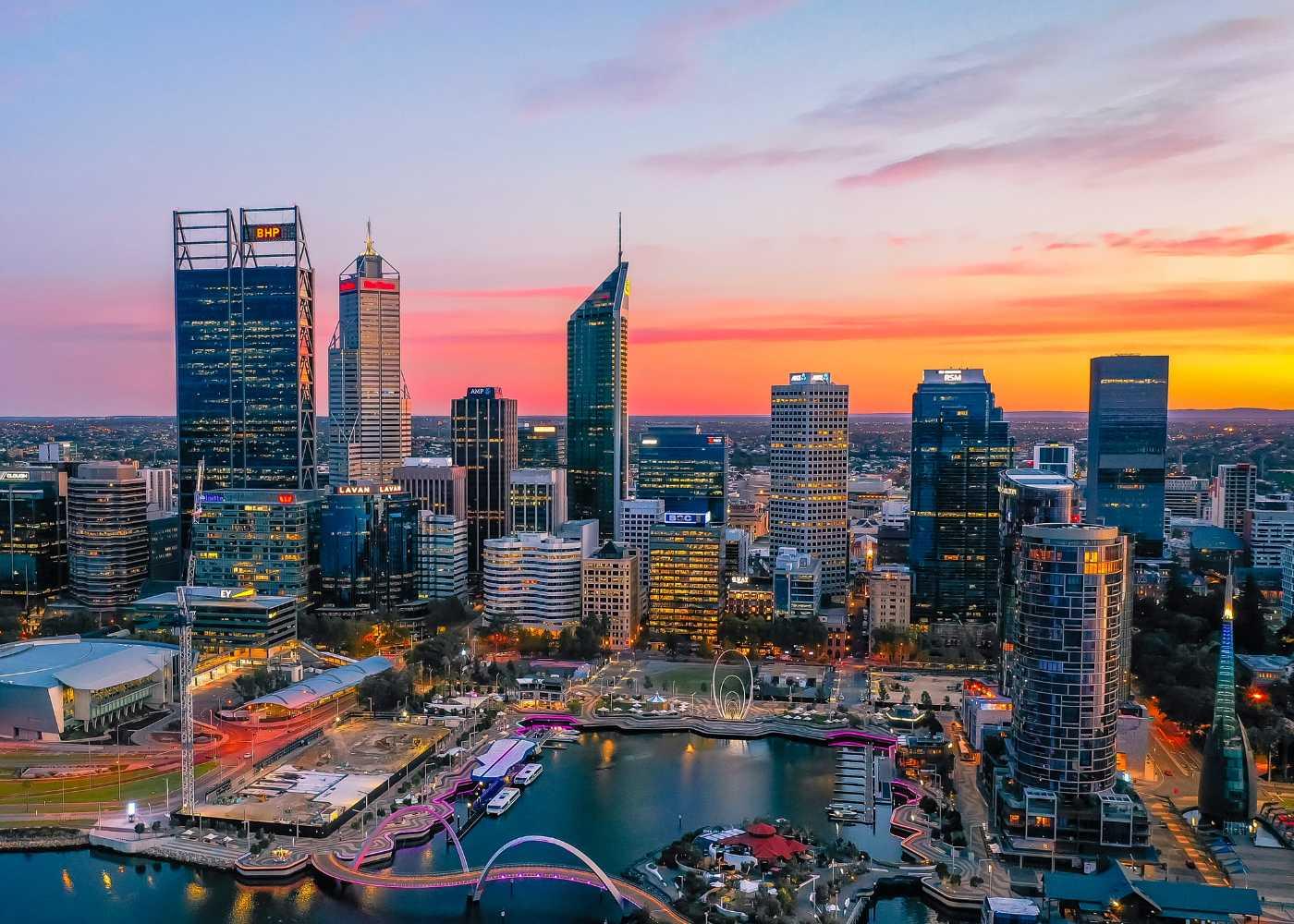
Perth
Offers exposure to the resources economy, strong rental yields during up-cycles, and lower entry pricing.
→ Tactical or cycle-driven allocation
Investment Strategies
Common approaches for Australia property investment.
Buy-to-rent residential property
Focus areas include well-located apartments, family homes in high-demand suburbs, and properties near transport, education, and employment hubs. This strategy prioritises income durability and long-term demand.
Education-linked investments
Australia's universities drive significant housing demand. Investors focus on student-heavy districts, long-term rental strategies, and assets suited to shared living. This supports consistent occupancy.
Lifestyle-driven ownership
Many investors purchase Australian property for future relocation, children's education, and lifestyle and second-home use. Rental income often complements personal use.
Where Capital is Flowing
- Supply-constrained suburbs
- Transport-connected locations
- Markets benefiting from immigration inflows
- Assets resilient to regulatory change
Key Considerations
- Stamp duties and acquisition costs
- Foreign buyer surcharges (where applicable)
- Tenancy regulations and landlord obligations
- Interest-rate sensitivity
- City-specific cycle dynamics
Read before you invest in Australia
Buying process, city deep-dives, and on-the-ground neighborhood intelligence
Country buying guide
View all buying guides →
Buying Guide
Australia Property Investment Guide
Your Complete Guide to Buying Property in Australia
City guides
View all city guides →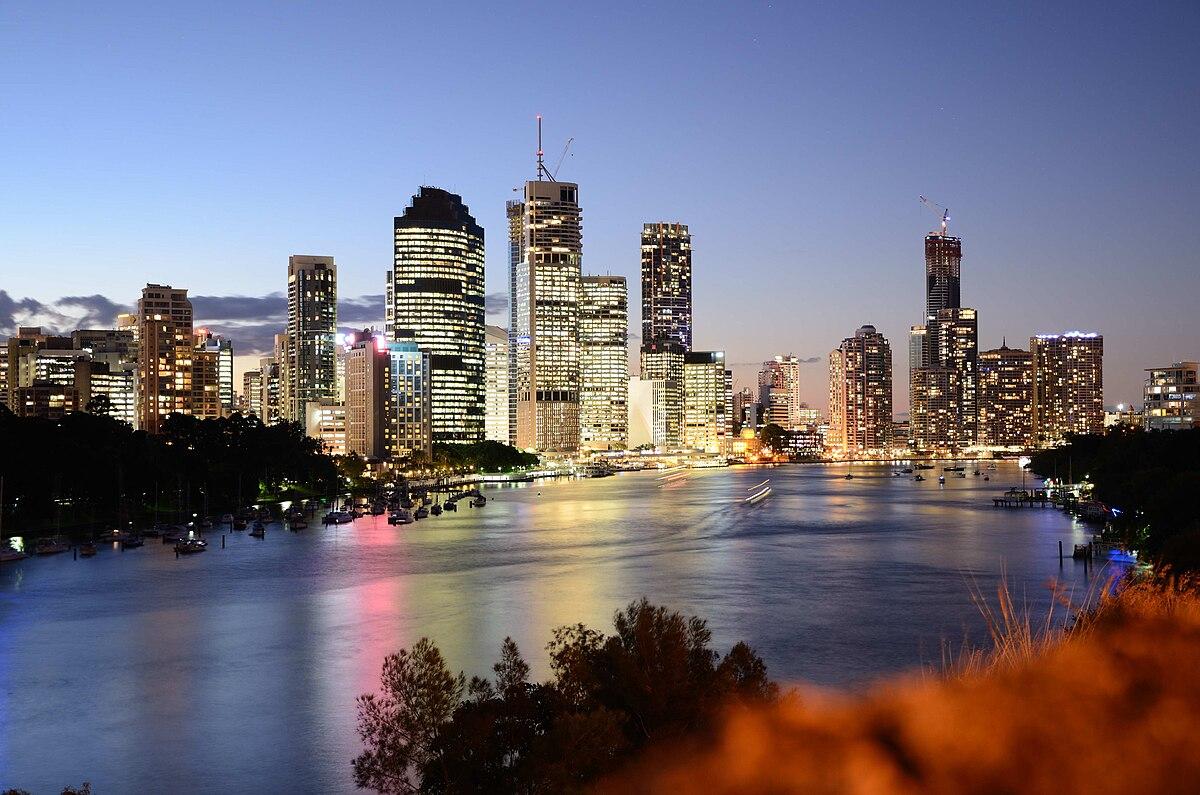
Brisbane
Brisbane is Australia's fastest-appreciating major property market and the host city for the 2032 Olympic and Paralympic Games. The Queensland capital's economy surpassed AUD 200 billion in 2024, driven by infrastructure investment, interstate migration, and a subtropical lifestyle that attracts residents from Sydney and Melbourne. With median house prices crossing AUD 1 million in 2025 — still significantly below Sydney — Brisbane offers compelling value and is undergoing a once-in-a-generation urban transformation.
8 min read
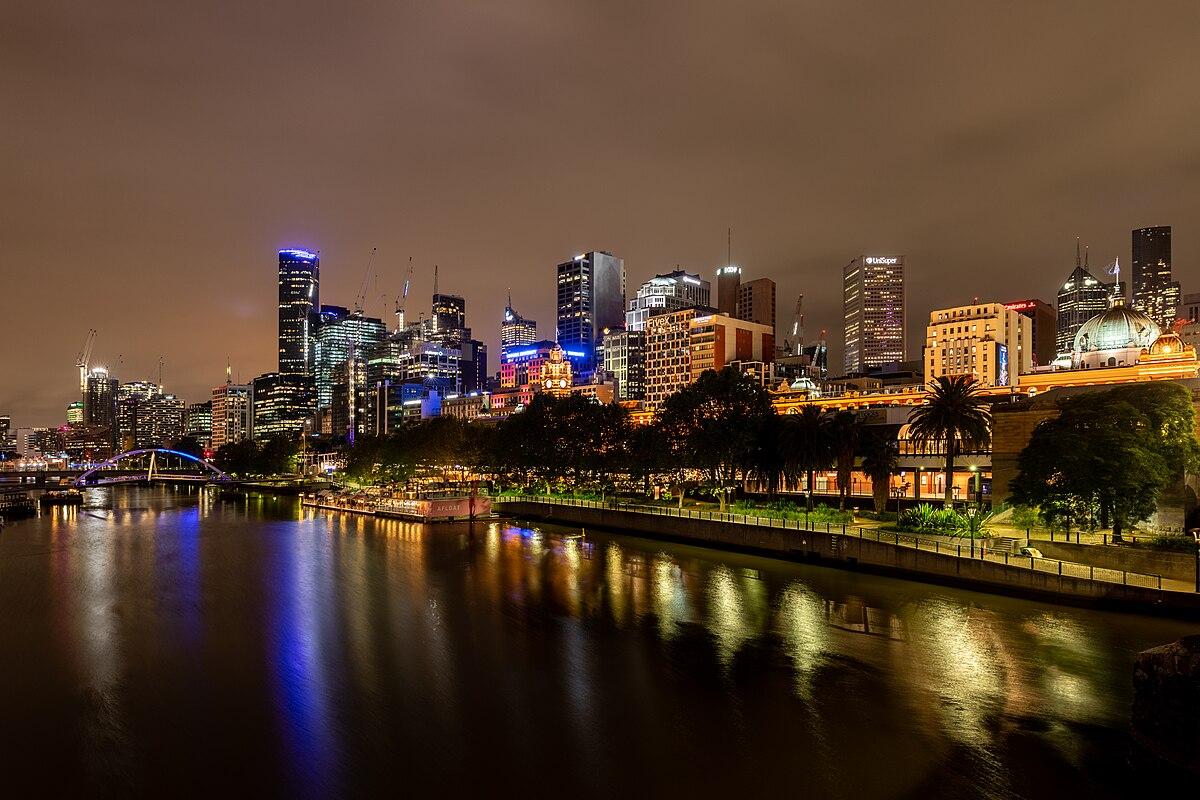
Melbourne
Melbourne is Australia's cultural capital and fastest-growing major city, celebrated for its world-renowned coffee culture, street art, live music scene, and sporting events. With a population approaching 5.5 million and annual growth of 2.7%, Melbourne is projected to overtake Sydney as Australia's largest city within the next decade. The property market offers relative value compared to Sydney, with a median house price around AUD 970,000 and strong fundamentals driven by population growth and infrastructure investment.
8 min read
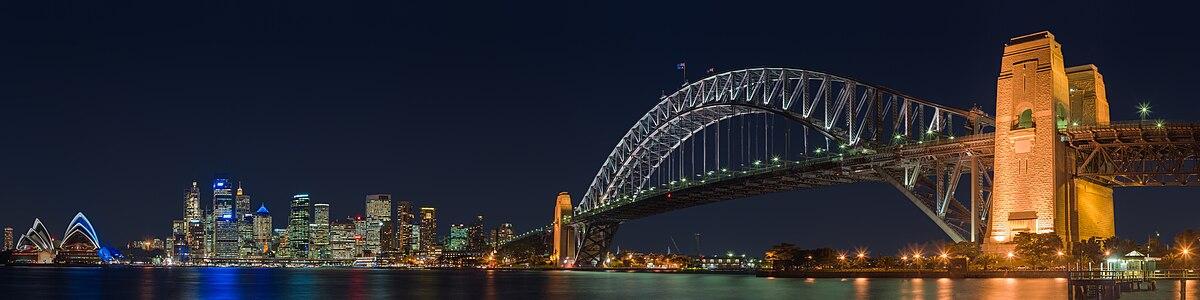
Sydney
Sydney is Australia's largest and most iconic city, renowned for the Sydney Opera House, Harbour Bridge, and its stunning coastal lifestyle. As the nation's financial capital and home to the ASX, it offers world-class dining, diverse culture, and a property market that consistently ranks among the most dynamic in the Asia-Pacific. Greater Sydney's median house price surpassed AUD 1.6 million in 2025, driven by constrained supply and sustained demand from both domestic and international buyers.
8 min read
Neighborhood deep-dives
View all neighborhood guides →Brisbane
CBD / South Bank
Subtropical river city where South Bank's inner-city beach, Howard Smith Wharves, and Olympic-scale investment create Australia's most exciting urban transformation.
Brisbane
Fortitude Valley
Brisbane's electric entertainment heart — live music, late-night dining, fashion boutiques, and the highest apartment growth in the city.
Brisbane
Hamilton / Ascot
Brisbane's prestige crown — grand Queenslander estates, Racecourse Road dining, Portside Wharf waterfront, and the heritage racing precinct.
Brisbane
New Farm / Teneriffe
Brisbane's most coveted address — heritage woolstores, James Street boutiques, riverfront parklands, and award-winning dining in a leafy inner-city paradise.
Brisbane
Paddington / Milton
Brisbane's heritage jewel — Queenslander verandahs, hilltop city views, and intimate village dining along the charming terraces of Paddington and Rosalie.
Brisbane
West End
Brisbane's bohemian village — multicultural Boundary Street dining, riverside Saturday markets, and the strongest inner-city price growth in Queensland.
Melbourne
CBD / Southbank
Australia's cultural capital — where hidden laneway bars, world-class coffee, and street art murals create an unrivalled urban atmosphere.
Melbourne
Docklands
Melbourne's modern waterfront — accessible apartment living with strong yields, Marvel Stadium energy, and harbour promenades.
How INTRIC Supports Your
Australia Investment
INTRIC does not sell property. INTRIC helps members make better decisions before committing capital.