
Property Investment Guide
Japan
Stability, yield, and global lifestyle — through a misunderstood market
Market Type
Developed Asia-Pacific market
Risk Profile
Low
Japan is one of the world's most developed, transparent, and legally robust real estate markets, yet remains under-allocated by international property investors relative to its economic size. For sophisticated investors, Japan often serves as a low-correlation, income-generating, Asia-Pacific allocation rather than a speculative growth play.
Ideal For
- HNWIs and UHNWIs seeking Asia diversification
- Family offices looking for stable, income-producing assets
- Investors prioritising yield over rapid appreciation
- Buyers interested in lifestyle assets (ski, culture, cities)
- Long-term investors comfortable with disciplined markets
Consider Carefully If
- • Short-term flipping strategies
- • Investors seeking fast capital appreciation
- • Those unwilling to engage with local operational nuance
Why invest in Japan?
Key factors driving global investor interest in Japan property.
Legal certainty and ownership rights
Japan offers freehold ownership for foreigners, strong contract enforcement, low expropriation and regulatory risk, and highly developed land registry systems. This makes Japan one of the safest jurisdictions globally for cross-border property ownership.
Rental demand supported by domestic fundamentals
Japan's rental market is driven by high urbanisation, long-term domestic tenancy culture, stable employment in major cities, and continued internal migration to urban centres. Unlike many markets, Japan's rental demand is not solely dependent on foreign buyers or tourism.
Yield opportunities in regional cities
While Tokyo prices have matured, many regional cities offer higher net yields, strong local demand, lower entry pricing, and less competition from international capital. This has attracted investors focused on income and risk-adjusted returns.
Currency considerations
The Japanese yen has experienced long periods of weakness relative to major currencies. For foreign investors, this can create attractive entry points, currency diversification, and long-term mean-reversion optionality.
Properties in Japan
Curated by INTRIC

Key Investment Locations
Prime areas attracting international property investors in Japan.
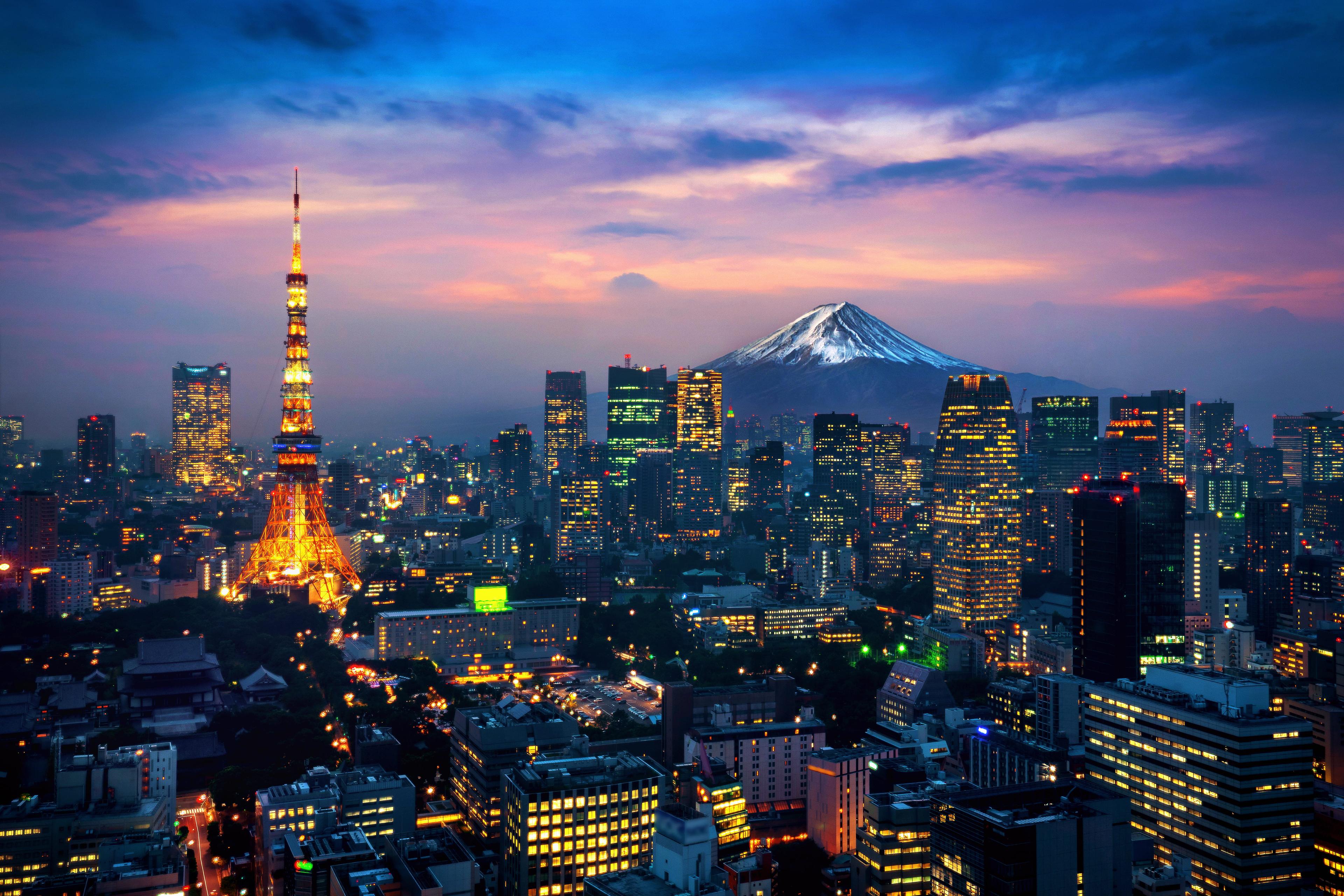
Tokyo
One of the world's largest and most liquid real estate markets with deep tenant demand and global city status.
→ Capital stability, liquidity, and long-term holding
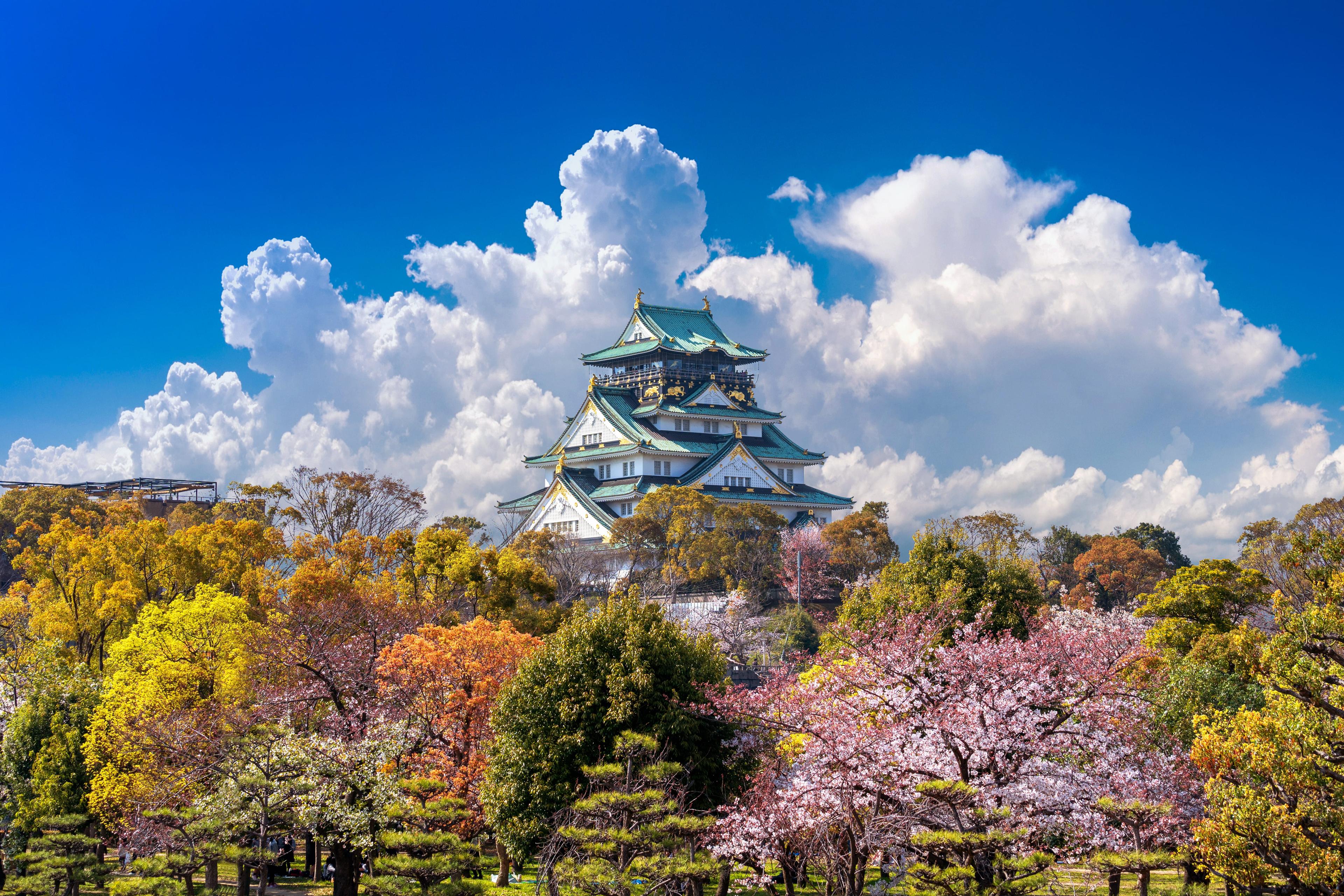
Osaka & Kansai
Benefits from major infrastructure investment, population density, domestic tourism, and upcoming global events.
→ Urban yield with long-term upside
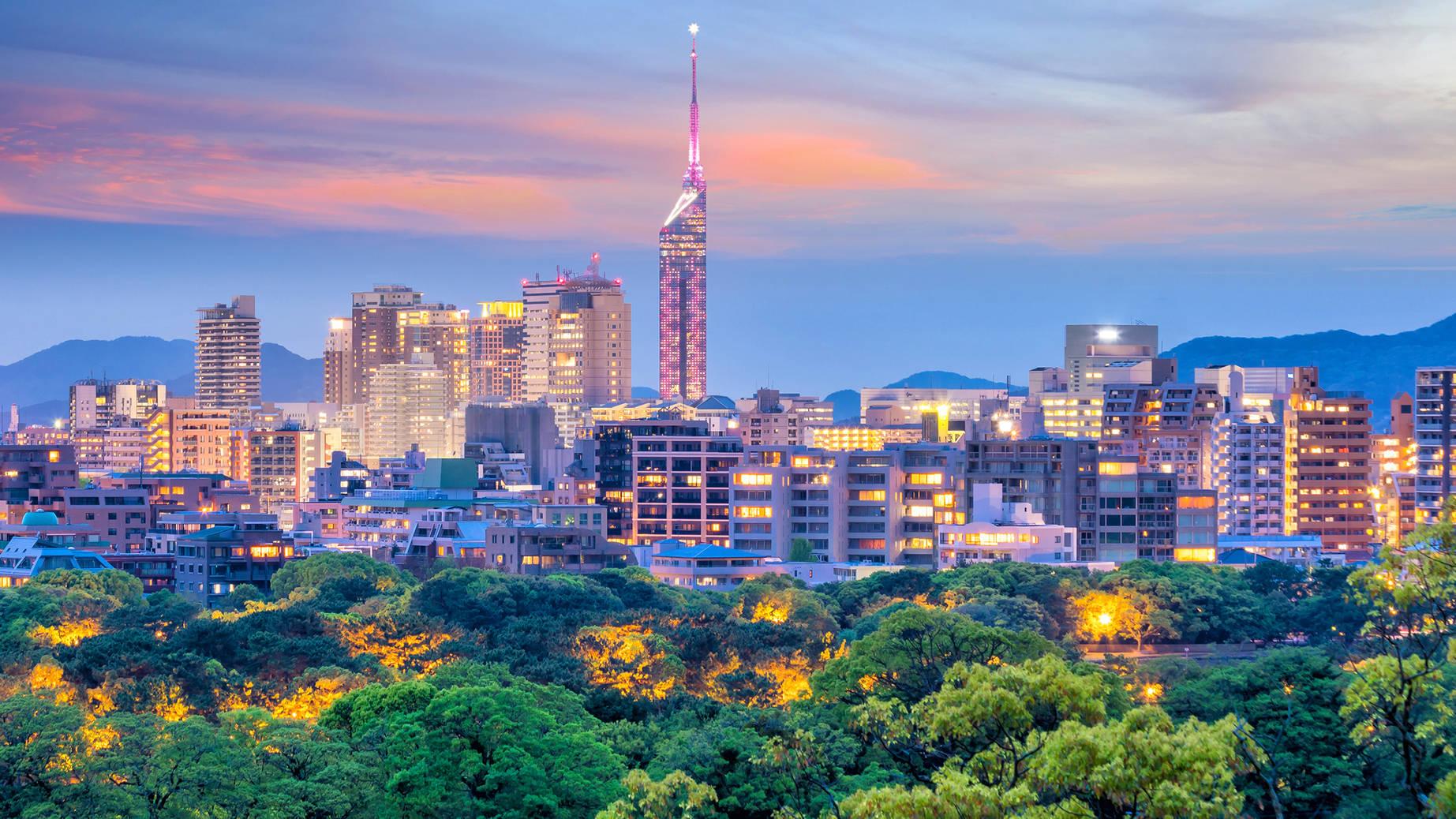
Fukuoka
Japan's fastest-growing major city with younger demographics and strong startup ecosystem.
→ Growth within a disciplined market

Hokkaido & Niseko
Japan's most internationally recognised lifestyle property market with world-class skiing.
→ Lifestyle-led investors with global outlooks

Kyoto
Cultural heritage destination with extreme supply constraints and premium tourism demand.
→ Long-term, preservation-focused investors
Investment Strategies
Common approaches for Japan property investment.
Buy-to-rent residential assets
Japan supports long-term residential rentals with stable tenancy structures and predictable income profiles. Professional management is widely used and culturally normalised.
Regional yield strategies
Many investors focus on multi-unit residential assets, regional city apartments, and diversified income portfolios. This strategy prioritises cash flow and downside protection.
Lifestyle-led investments
Japan offers rare lifestyle optionality including ski properties in Hokkaido, urban residences in Tokyo, and cultural homes in Kyoto. These assets combine personal use with global appeal.
Where Capital is Flowing
- Cities with internal population inflows
- Transport-connected urban areas
- Assets suited to domestic tenants
- Professionally managed income properties
Key Considerations
- Building age and depreciation norms
- Local property management quality
- Financing structures and leverage availability
- Currency exposure and hedging
Read before you invest in Japan
Buying process, city deep-dives, and on-the-ground neighborhood intelligence
Country buying guide
View all buying guides →
Buying Guide
Complete Investor Guide to Japanese Property
Foreign-friendly ownership, ultra-low rates, and weak yen create a compelling entry point into Asia's most stable property market
City guides
View all city guides →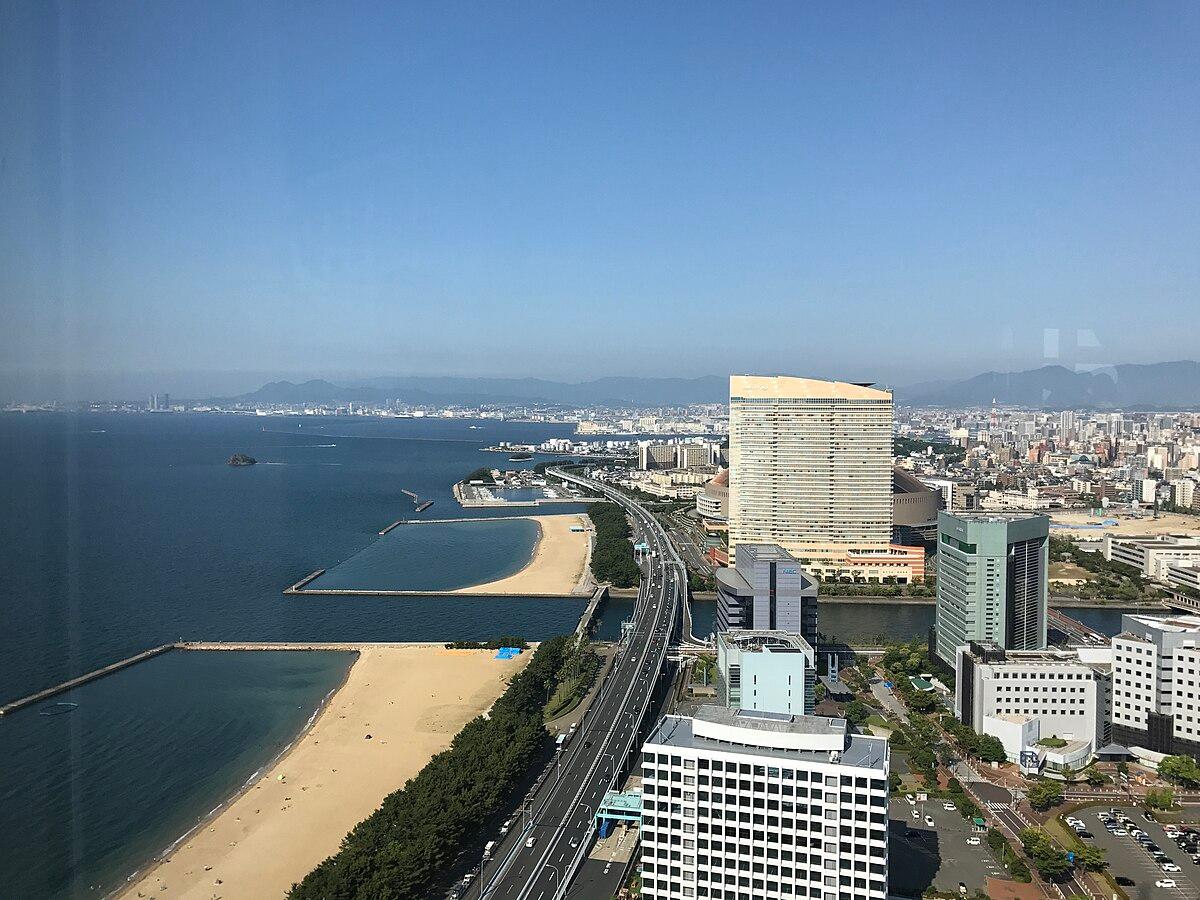
Fukuoka City Guide
Japan's fastest-growing major city and startup capital, Fukuoka combines affordable living costs with a dynamic tech ecosystem and exceptional quality of life. Located on the northern shore of Kyushu, the city has positioned itself as Japan's gateway to Asia with direct flights to Seoul, Shanghai, Taipei, and Hong Kong — all within two hours. The Tenjin Big Bang and Hakata Connected redevelopment initiatives are transforming the city center with billions of yen in new mixed-use towers. For property investors, Fukuoka offers rental yields of 5-6% — significantly above Tokyo's 3-4% — with entry prices roughly half those of the capital. A young, growing population (rare in Japan) and strong government support for international business make Fukuoka one of the most compelling secondary-city real estate plays in Asia.
8 min read

Kyoto City Guide
Japan's ancient capital and cultural heart offers a unique real estate proposition: heritage properties in UNESCO-caliber settings with the strongest tourism demand in the country. From the geisha district of Gion to the bamboo groves of Arashiyama, Kyoto's strict building regulations ensure permanent scarcity while record visitor numbers drive both long-term rental and hospitality investment returns. With 17 UNESCO World Heritage Sites, over 2,000 temples and shrines, and stringent height restrictions that preserve the city's historic skyline, Kyoto offers a property market defined by scarcity and cultural prestige. The city's machiya townhouses — traditional wooden merchant homes — have become prized investment assets, with restored properties commanding premium rents as boutique hotels, galleries, and luxury residences.
8 min read

Osaka City Guide
Japan's culinary capital and second-largest economy combines street food culture, merchant heritage, and ambitious urban renewal into one of Asia's most exciting investment markets. From the neon-lit canals of Dotonbori to the corporate towers of Umeda, Osaka offers higher rental yields and lower entry prices than Tokyo, with catalysts like the 2025 World Expo and integrated resort development driving growth. Osaka's merchant culture — locals say "Tokyo people dress up, Osaka people eat up" — creates a distinctly entrepreneurial atmosphere that drives innovation in food, entertainment, and commerce. The city's excellent transport links via the Shinkansen, Kansai International Airport, and an expanding metro network make it a compelling base for investors targeting the broader Kansai region.
8 min read

Sapporo City Guide
Hokkaido's capital and Japan's fifth-largest city, Sapporo has emerged as a compelling real estate market driven by world-class winter sports tourism, a booming beer and food culture, and the upcoming Hokkaido Shinkansen extension. Land prices surged 40% since 2019 with an 8.4% increase in 2024 alone, yet entry prices remain well below Tokyo levels. The city draws nearly 9 million international visitors annually — surpassing pre-pandemic levels by 12% — fueling a short-term rental market that delivers yields exceeding 20% in peak season. For investors, Sapporo offers the rare combination of strong capital appreciation (3-5% annually), healthy long-term rental yields (4-5%), and a growing population attracted by Hokkaido's quality of life and the city's expanding tech and tourism sectors.
8 min read

Tokyo City Guide
The world's largest metropolitan area blends ancient tradition with cutting-edge innovation across its 23 special wards. From the neon-lit tech hub of Shibuya to the Imperial elegance of Chiyoda, Tokyo offers investors a stable market with strong rental yields, minimal vacancy rates, and a currency environment that has made Japanese real estate increasingly attractive to international buyers. Tokyo's property market stands apart in Asia for its transparency, rule-of-law governance, and near-zero vacancy rates in desirable wards. The combination of a weakened yen making assets more affordable for foreign buyers, ultra-low interest rates, and a cultural renaissance driven by record tourism numbers has created a rare window of opportunity in one of the world's most sophisticated real estate markets.
8 min read
Neighborhood deep-dives
View all neighborhood guides →Fukuoka
Daimyo
Fukuoka's creative quarter packed with indie boutiques, specialty coffee, and startup energy
Fukuoka
Hakata
Fukuoka's Shinkansen gateway blending centuries-old merchant culture with modern redevelopment
Fukuoka
Momochi
Fukuoka's modern waterfront district with beach access and contemporary family living
Fukuoka
Ohori Park
Fukuoka's premier residential address wrapped around a serene lakeside park
Fukuoka
Tenjin
Fukuoka's commercial heart undergoing a massive transformation via the Tenjin Big Bang redevelopment
Fukuoka
Yakuin
Fukuoka's charming residential neighborhood known for artisan bakeries and local character
Kyoto
Arashiyama
Kyoto's stunning river valley where world-famous bamboo groves, Zen temples, and mountain scenery create Japan's most photogenic neighborhood
Kyoto
Gion
Kyoto's legendary geisha district where lantern-lit lanes and centuries-old tea houses preserve Japan's most refined cultural traditions
How INTRIC Supports Your
Japan Investment
INTRIC does not sell Japanese property. INTRIC helps members decide where, when, and how to invest.