
Property Investment Guide
Vietnam
Demographics, growth, and early-cycle opportunity in Southeast Asia
Market Type
High-growth emerging Asian market
Risk Profile
Moderate to high
Vietnam is one of Asia's most compelling long-term property growth markets, underpinned by strong demographics, rapid urbanisation, manufacturing expansion, and rising domestic affluence. For global investors, Vietnam is typically positioned as a growth-oriented, early-to-mid-cycle market, rather than a mature income or preservation play.
Ideal For
- HNWIs seeking high-growth Asian exposure
- Family offices with long-term horizons
- Investors diversifying beyond developed Asian markets
- Buyers comfortable with frontier-to-emerging market dynamics
- Capital allocators focused on demographic and economic expansion
Consider Carefully If
- • Investors seeking immediate liquidity
- • Low-volatility or capital-preservation strategies
- • Purely passive ownership without local expertise
Why invest in Vietnam?
Key factors driving global investor interest in Vietnam property.
Structural economic and demographic growth
Vietnam benefits from favourable population demographics, rising incomes and consumption, and rapid urban household formation. These fundamentals create long-term housing demand independent of foreign buyer cycles.
Manufacturing and supply-chain relocation
Vietnam is a major beneficiary of China-plus-one strategies, regional manufacturing relocation, and foreign direct investment into industrial zones. This drives demand for urban housing, professional accommodation, and mixed-use developments.
Early-cycle pricing relative to regional peers
Compared to markets such as Singapore, Hong Kong, or even parts of Thailand, Vietnam offers lower entry prices, higher long-term growth potential, and expanding modern residential stock. This attracts investors seeking growth asymmetry.
Key Investment Locations
Prime areas attracting international property investors in Vietnam.

Ho Chi Minh City
Vietnam's economic engine with strong domestic and expatriate rental demand, expanding professional workforce, and new urban districts. Districts such as District 1, District 2 (Thao Dien), District 7, and Thu Duc City are commonly targeted.
→ Urban growth exposure

Hanoi
Vietnam's political and cultural capital with stable domestic demand, government and institutional employment base, and emerging modern residential developments.
→ Steadier, long-term urban growth

Coastal & Lifestyle Markets
Coastal and lifestyle markets including Da Nang, Nha Trang, and Phu Quoc attract interest due to tourism growth and lifestyle appeal.
→ Experienced investors (more cyclical)
Investment Strategies
Common approaches for Vietnam property investment.
Urban residential growth exposure
Investors focus on apartments in major cities, developments aligned with infrastructure expansion, and assets appealing to professionals and families. Returns are driven primarily by capital appreciation, not yield.
Mixed-use and master-planned developments
Some investors target large-scale integrated projects and residential components within urban townships. These strategies align with Vietnam's urbanisation trajectory.
Lifestyle and resort-linked assets (selective)
In coastal markets, investors pursue resort-managed residences and lifestyle-driven second homes. These strategies require careful operator and location selection.
Where Capital is Flowing
- Major urban centres with job creation
- Infrastructure-connected districts
- Reputable developers with delivery track records
- Assets aligned with domestic demand, not speculation
Key Considerations
- Foreign ownership structures and quotas
- Evolving regulatory frameworks
- Developer quality and delivery risk
- Market liquidity timelines
- Currency exposure
Read before you invest in Vietnam
Buying process, city deep-dives, and on-the-ground neighborhood intelligence
Country buying guide
View all buying guides →
Buying Guide
Complete Investor Guide to Vietnamese Property
Capitalize on Vietnam's rapid economic growth with structured foreign apartment ownership in one of Asia's fastest-growing markets
City guides
View all city guides →
Da Nang City Guide
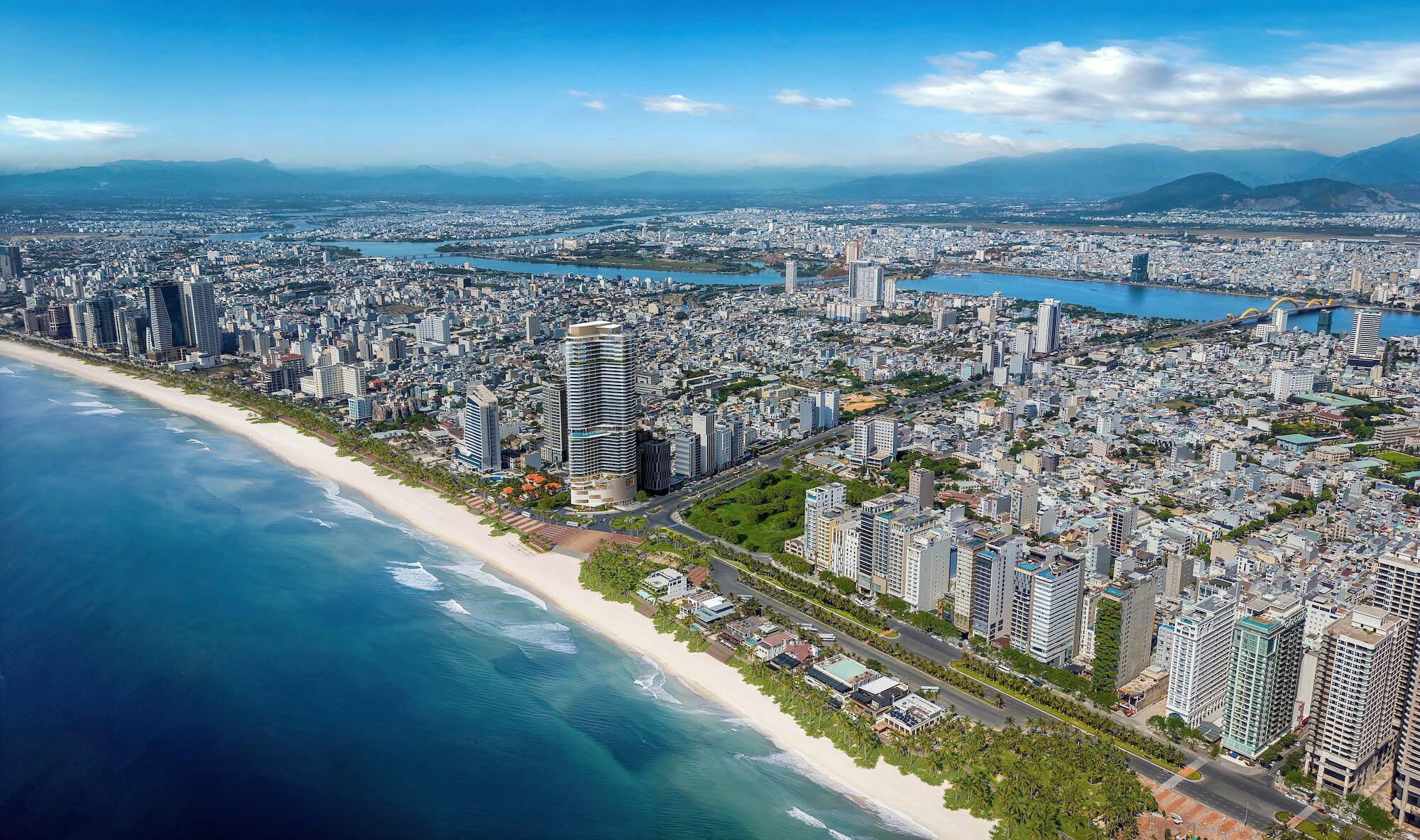
Vietnam's most livable city stretches along the central coast between the East Sea and the Truong Son mountains. From the world-famous My Khe Beach to the sacred Marble Mountains and the ancient allure of nearby Hoi An, Da Nang offers a rare combination of beach lifestyle, modern infrastructure, and explosive investment growth — all at a fraction of Southeast Asian resort city prices. Da Nang has been transformed by massive government investment in infrastructure, including an international airport with direct flights to regional hubs, modern highways, and iconic bridges spanning the Han River. The city has been recognized by multiple international publications as Vietnam's most livable city, with clean streets, low crime, and a quality of life that attracts both Vietnamese domestic investors and international buyers. The proximity to the UNESCO World Heritage-listed ancient town of Hoi An adds cultural depth and tourism appeal.
8 min read

Hanoi City Guide
Vietnam's thousand-year-old capital seamlessly layers ancient temples, French colonial boulevards, and modern high-rises across the banks of the Red River. From the legendary Old Quarter's 36 streets to the cosmopolitan West Lake expat enclave, Hanoi offers one of Southeast Asia's most compelling property markets — combining rapid economic growth, affordable entry prices, and a cultural depth that rivals any Asian capital. Hanoi is the political capital and cultural heart of Vietnam, home to government institutions, foreign embassies, and a growing number of international organizations and corporations. The city's remarkable cultural heritage — from the Temple of Literature to the French Quarter's grand boulevards — creates a sophisticated urban environment that appeals to diplomats, executives, and cultural travelers. The West Lake (Tay Ho) district has emerged as Hanoi's premier expatriate neighborhood, with lakeside villas, international restaurants, and a lifestyle that blends Vietnamese charm with international convenience.
8 min read

Ho Chi Minh City City Guide
Vietnam's economic powerhouse and largest city, Ho Chi Minh City is a sprawling metropolis of 10 million people where French colonial heritage meets relentless modernization. From the buzzing streets of District 1 to the planned perfection of Phu My Hung and the futuristic ambitions of Thu Thiem, HCMC offers one of Southeast Asia's most dynamic property markets with GDP growth consistently above 6% and a young, urbanizing population driving demand. Ho Chi Minh City is the commercial heart of one of the world's fastest-growing economies, attracting massive foreign direct investment from Samsung, Intel, Nike, and hundreds of other multinationals establishing manufacturing and services operations. The city's French colonial architecture, vibrant street food culture, and buzzing nightlife create a cosmopolitan atmosphere that appeals to both business travelers and lifestyle expatriates. Vietnam's 2023 Land Law reforms are opening the property market to greater foreign participation, creating new opportunities for international investors.
8 min read
Nha Trang City Guide
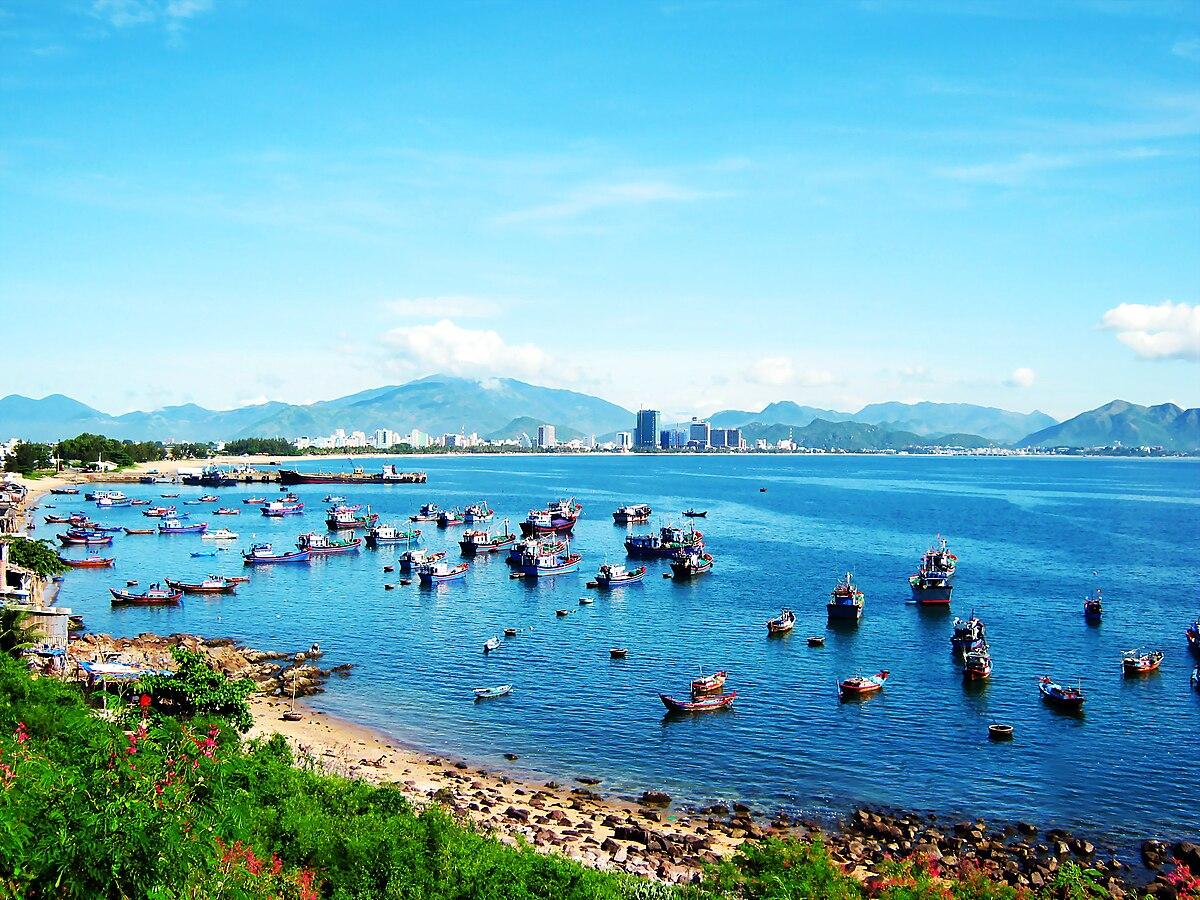
Vietnam's premier coastal resort city curves along a stunning 7-kilometer bay on the south-central coast, backed by lush mountains and dotted with offshore islands. Nha Trang has evolved from a sleepy fishing town into a dynamic tourism and property hub that attracts Russian, Chinese, Korean, and domestic Vietnamese buyers. The city offers year-round warm weather, world-class diving, and a beachfront boulevard lined with international hotels and emerging condo developments. Khanh Hoa province's GDP growth of 7-8% annually, combined with major infrastructure projects like the Cam Ranh International Airport expansion and the planned North-South Expressway connection, is driving sustained property demand. The city's 'Sponge City' initiative — Charmora City spanning 227 hectares — signals a new era of planned urban development.
8 min read
Neighborhood deep-dives
View all neighborhood guides →Da Nang
An Thuong
Da Nang's buzzing expat quarter where craft beer bars, co-working spaces, and beach life collide in a walkable grid
Da Nang
Hai Chau
Da Nang's vibrant city center where the Dragon Bridge lights up the Han River and business meets street food culture
Da Nang
Hoi An Fringe
The tranquil gateway to UNESCO-listed Hoi An where rice paddies, beach life, and ancient heritage converge
Da Nang
My Khe Beach
Da Nang's world-famous beachfront strip where resort luxury meets Vietnamese coastal charm
Da Nang
Ngu Hanh Son
Sacred Marble Mountains rising above quiet beaches in Da Nang's most spiritual and undervalued coastal district
Da Nang
Son Tra Peninsula
Da Nang's exclusive jungle peninsula where luxury resorts hide in secluded coves beneath Monkey Mountain
Hanoi
Ba Dinh
Vietnam's political heart — stately boulevards, embassies, and the Ho Chi Minh Mausoleum surrounded by premium residences
Hanoi
Cau Giay
Hanoi's tech and university hub — modern high-rises, young energy, and the city's best value investment market
How INTRIC Supports Your
Vietnam Investment
INTRIC does not sell property. INTRIC helps members make better decisions before committing capital.