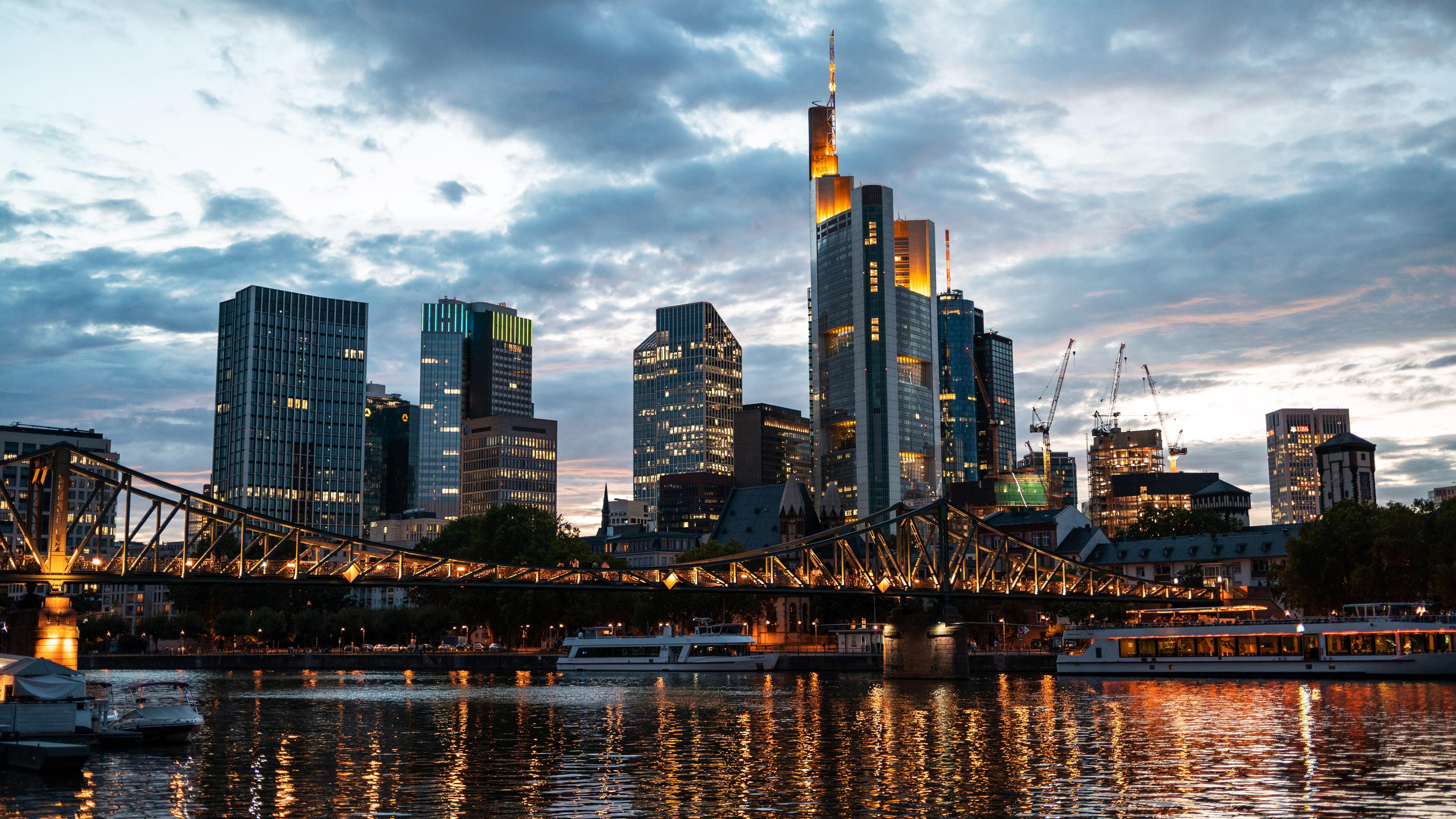
Property Investment Guide
Germany
Europe's largest rental market, institutional stability, and long-term resilience
Market Type
Core, institutionally dominated rental market
Risk Profile
Low
Germany is Europe's largest and most structurally resilient residential property market, underpinned by strong rule of law, deep rental culture, and long-term domestic demand rather than speculation or foreign-buyer cycles. For global investors, Germany is typically positioned as a core, defensive real-asset allocation within Europe.
Ideal For
- HNWIs seeking capital preservation and income stability
- Family offices allocating to core European residential assets
- Investors comfortable with regulated rental markets
- Buyers prioritising governance, transparency, and liquidity
- Capital allocators balancing growth markets with defensive assets
Consider Carefully If
- • High-yield or speculative strategies
- • Short-term trading or flipping
- • Investors seeking lifestyle-driven second homes
Why invest in Germany?
Key factors driving global investor interest in Germany property.
Deep, structurally supported rental demand
Germany is a nation of renters. Key drivers include cultural acceptance of long-term renting, high urban mobility, strong tenant protections, and stable employment base. This creates exceptionally durable rental demand across cycles.
Strong legal framework and tenant stability
Germany offers highly transparent land registry systems, predictable contract enforcement, and long-term tenancy structures. While regulation caps upside, it significantly reduces downside risk, attractive to capital-preservation investors.
Institutional market depth and liquidity
Germany hosts one of the largest institutional residential markets globally, active secondary transactions, and long-term pension and insurance capital participation. This provides exit liquidity and valuation transparency.
Key Investment Locations
Prime areas attracting international property investors in Germany.
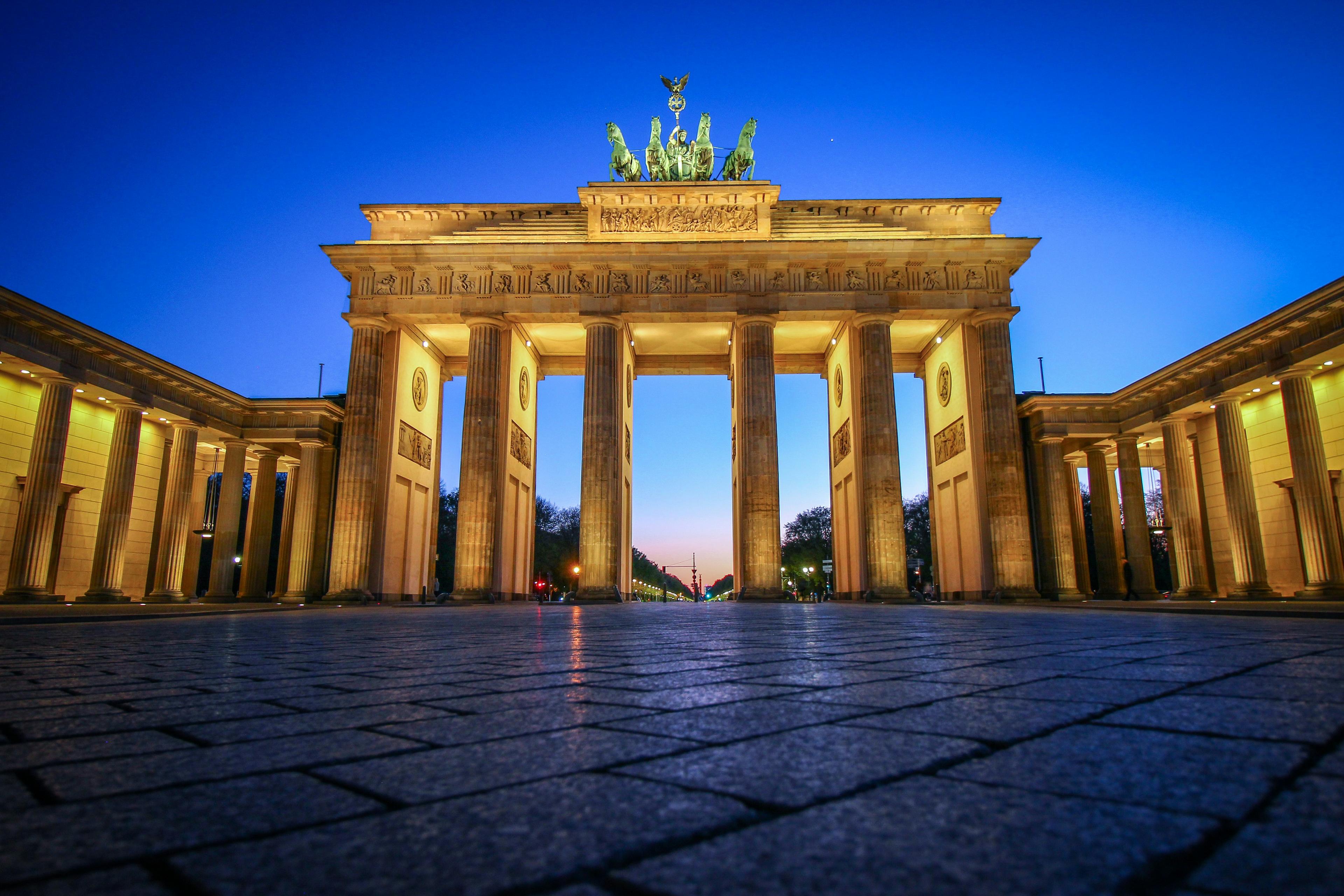
Berlin
Germany's political and cultural capital with large population, strong rental demand, and long-term urban growth.
→ Income stability and long-term urban relevance
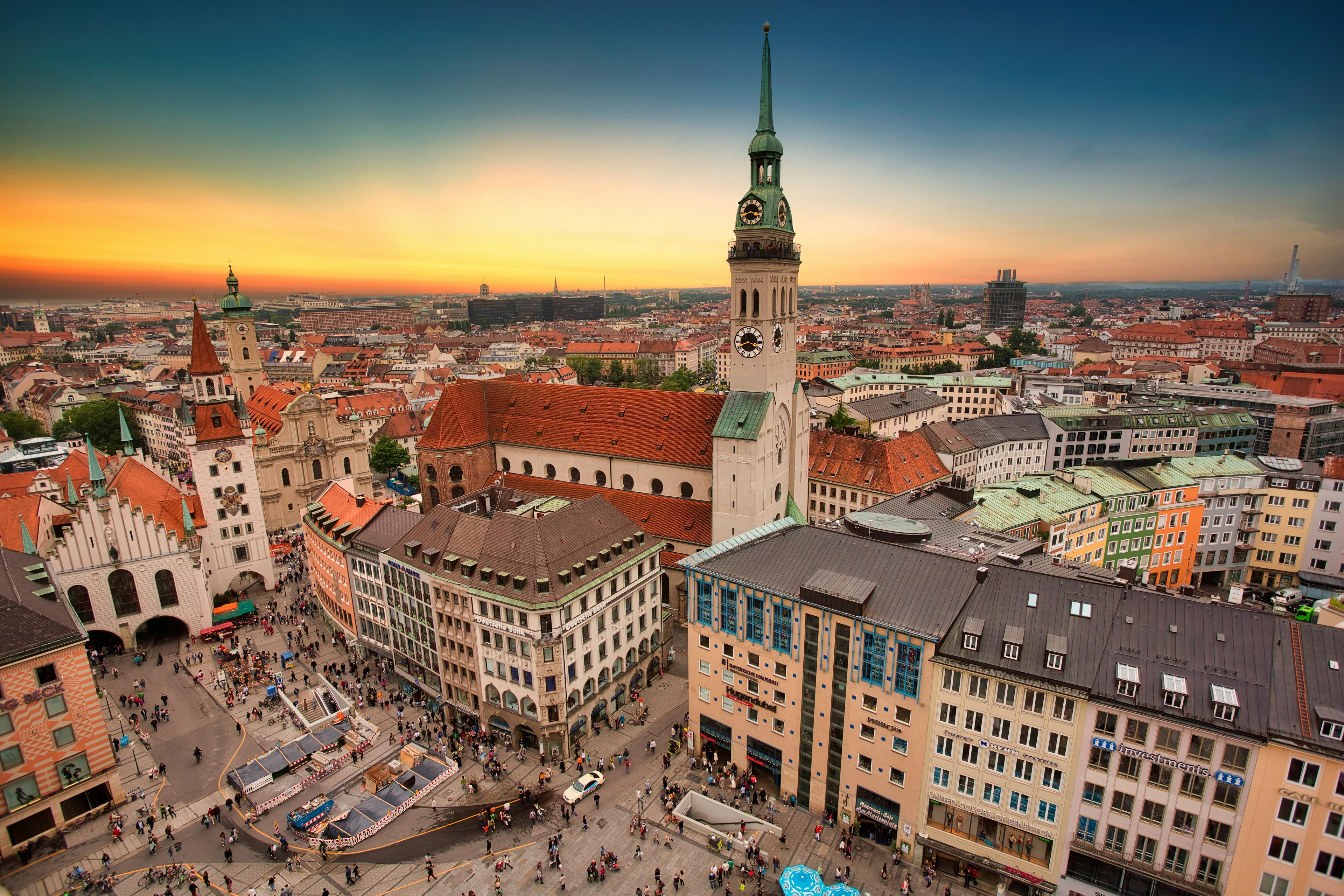
Munich
Germany's most expensive residential market with strong corporate presence and severe undersupply.
→ Capital preservation and ultra-low vacancy strategies
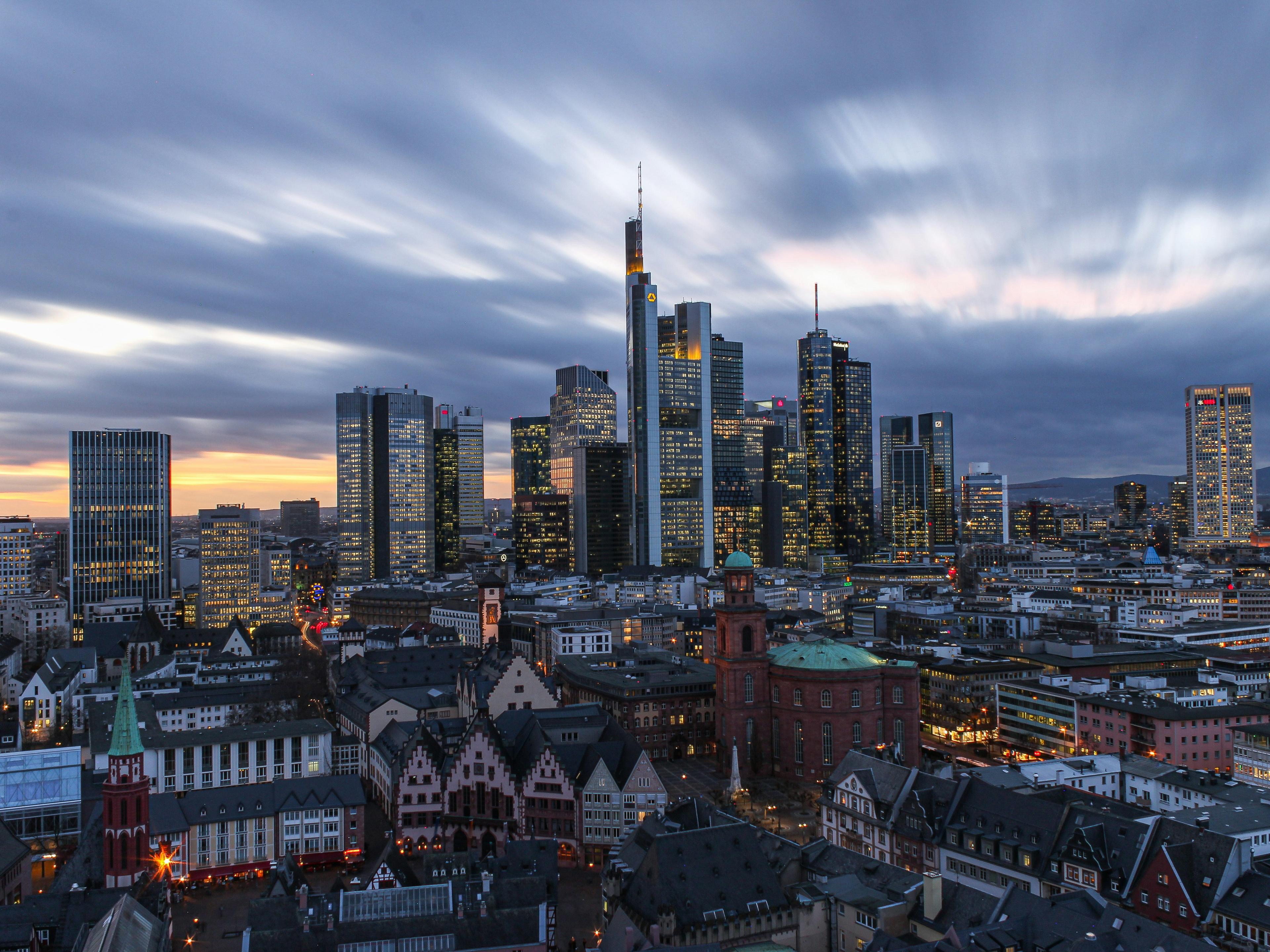
Frankfurt
Germany's financial centre with strong professional rental demand and international workforce.
→ Liquidity and income visibility
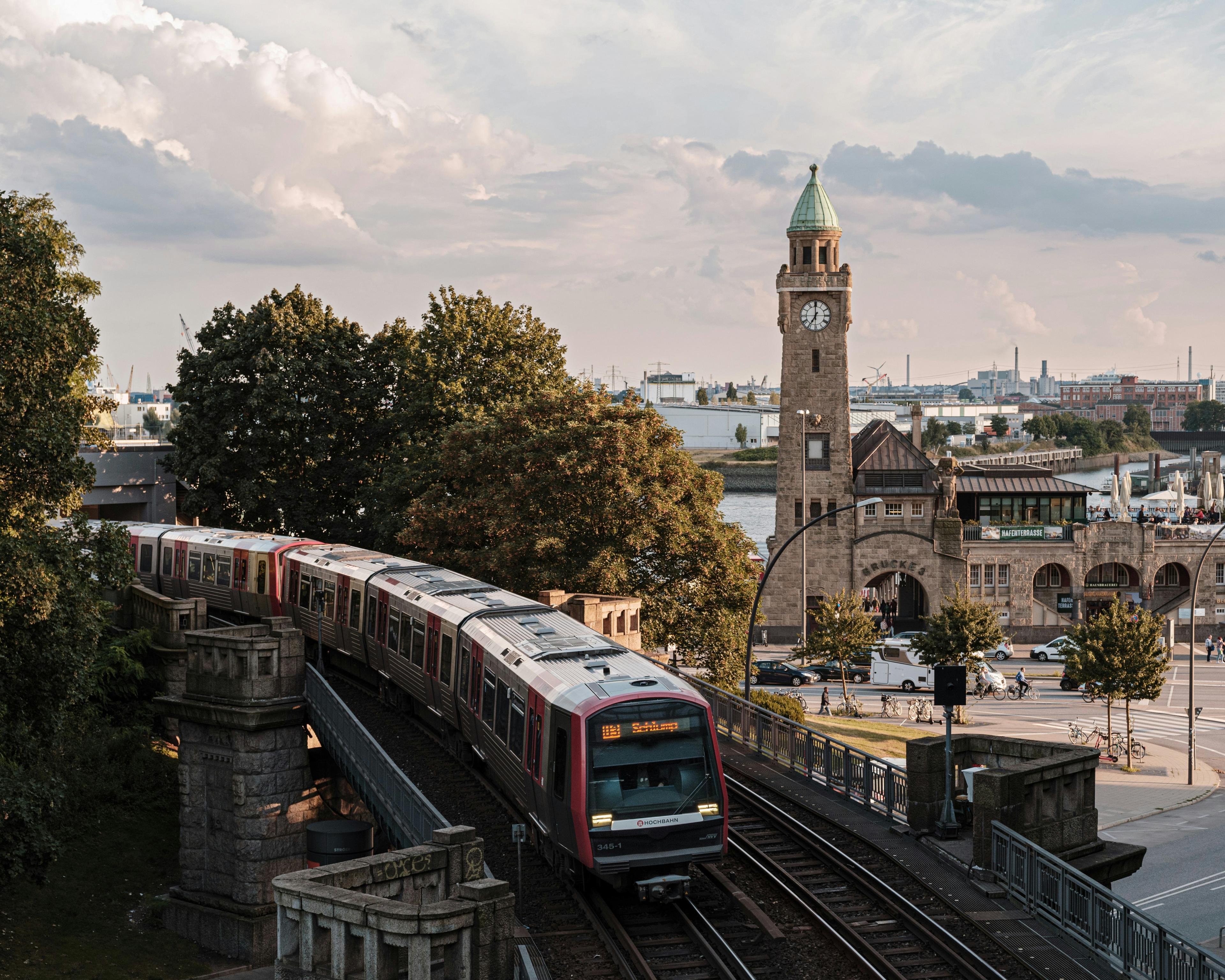
Hamburg & Regional Cities
Cities including Hamburg, Dusseldorf, and Stuttgart with diversified economies and strong domestic demand.
→ Balanced income-and-preservation strategies
Investment Strategies
Common approaches for Germany property investment.
Long-term buy-to-rent residential
Investors focus on multi-family residential buildings, long-term tenancy structures, and professional management. Returns are driven by stable income and gradual appreciation, not turnover.
Core capital preservation allocation
Germany is often used as a defensive anchor within European portfolios and a hedge against volatility in emerging or lifestyle markets.
Urban regeneration and energy upgrades (advanced)
Some investors target value creation through energy efficiency upgrades and modernisation of older housing stock. This strategy requires deep regulatory and technical expertise.
Where Capital is Flowing
- Cities with diversified employment bases
- Assets aligned with long-term rental demand
- Buildings with upgrade potential under new energy standards
- Locations attractive to institutional buyers
Key Considerations
- Rent control and regulatory limits
- Energy efficiency and retrofit requirements
- Slower price appreciation relative to growth markets
- High transaction costs in some regions
INTRIC Research
Guides for Germany are on the way
INTRIC Research is widening coverage market by market. While dedicated buying, city, and neighborhood guides for Germany are being prepared, the broader Insights hub already covers many of the regulatory and structural questions that travel across markets.
Browse the Insights hubHow INTRIC Supports Your
Germany Investment
INTRIC does not sell property. INTRIC helps members make better decisions before committing capital.